
Turnkey PFAS Remediation
PFAS Remediation Services
Per- and polyfluoroalkyl substances (PFAS) are a group of synthetic (man-made) chemicals comprising molecules where some (poly-) or all (per-) of the hydrogen atoms bonded to carbon atoms in a hydrocarbon have been replaced by fluorine atoms. They are a diverse group of synthetic chemicals, and estimates of the number of PFAS substances range from 10,000 to 7 million, depending on how they are defined. PFAS were developed for a wide variety of purposes, utilising their resistance to high temperatures and water and/or oil repellent properties, and the strength of the carbon-fluorine bond makes PFAS resistant to environmental degradation.
The fate and behaviour of individual PFAS depends on their structural properties as well as environmental factors, and as such, remediating PFAS is not a one-size-fits-all process. The right solution depends on several factors, including soil and water chemistries (e.g., TOC/TSS) and co-contaminants such as total petroleum hydrocarbons (TPH) that may be present. This inevitably impacts the nature and scope of remedial solutions required. For example, groundwater with high levels of TPH or TSS may require clarification, separation, pre-filtration or other treatment processes to remove this material before the influent stream passes through a further treatment process (e.g. adsorption) to address PFAS. Addressing PFAS last in the treatment train not only increases removal rates, but can also reduce filter media changeouts and saves money in the long run.
Direct Push Injection Technologies
OEE have in-house capabilities to apply colloidal activated carbon (CAC) using direct push injection (DPI) technologies. Pressure activated steel lances are driven to pre-defined depths to target contamination using a “grid” or “barrier” style approach. OEE specialise in the implementation of comprehensive treatment feasibility testing - a stage that cannot be substituted. These trials are supported by a vast array of remediation equipment and the data generated is used to inform and guide potential remedial strategies. With precision, key objectives are realised, and site-specific challenges can, wherever possible, be overcome prior to full scale deployment.
Coupled with our own mobile treatment license (MTL), experienced consultants, treatment feasibility studies and implementation of our remediation strategies by our WAMITAB (Level 4 Land Remediation) qualified engineers, OEE can offer a truly turnkey service.
Filtration vessels
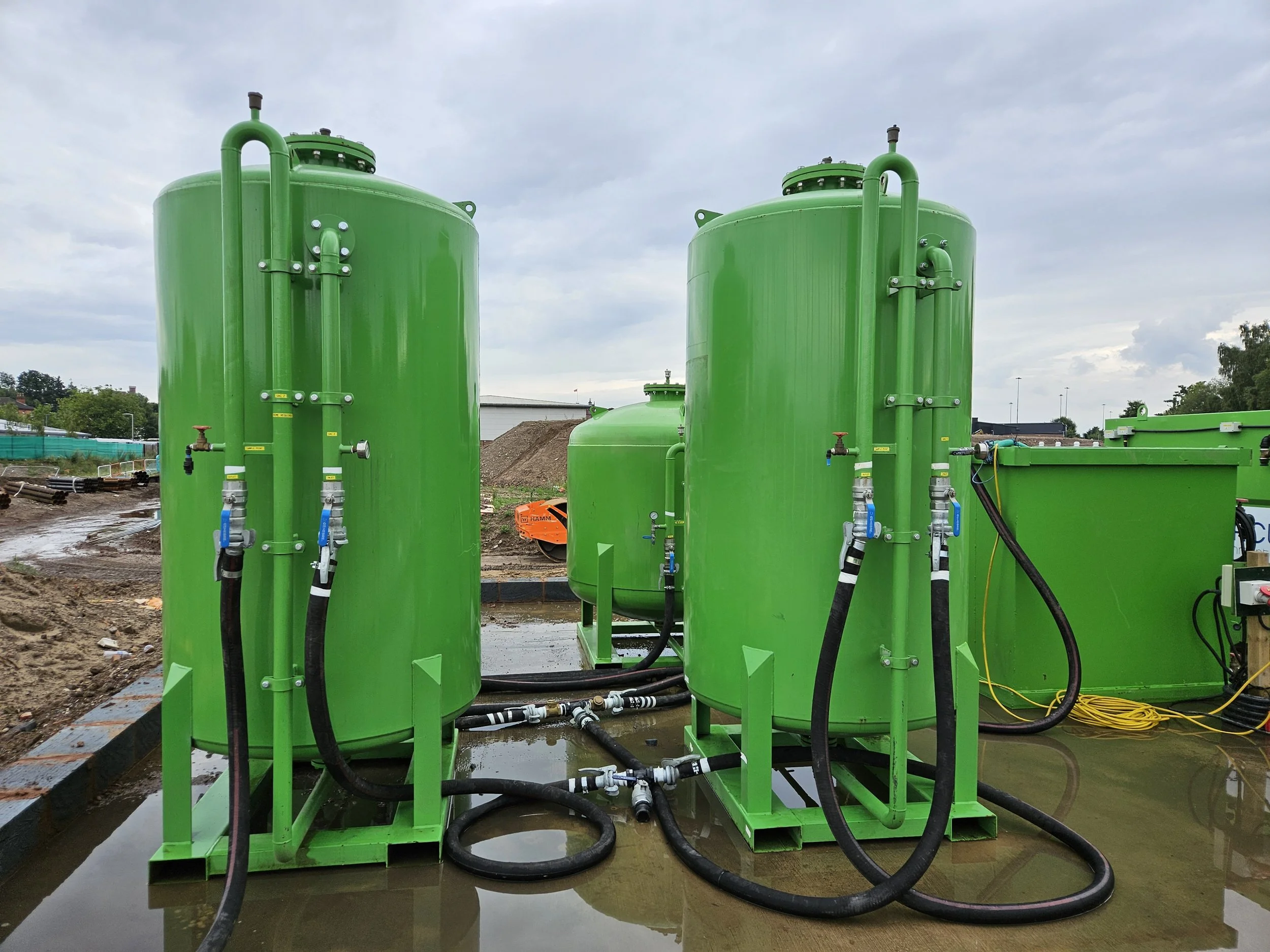
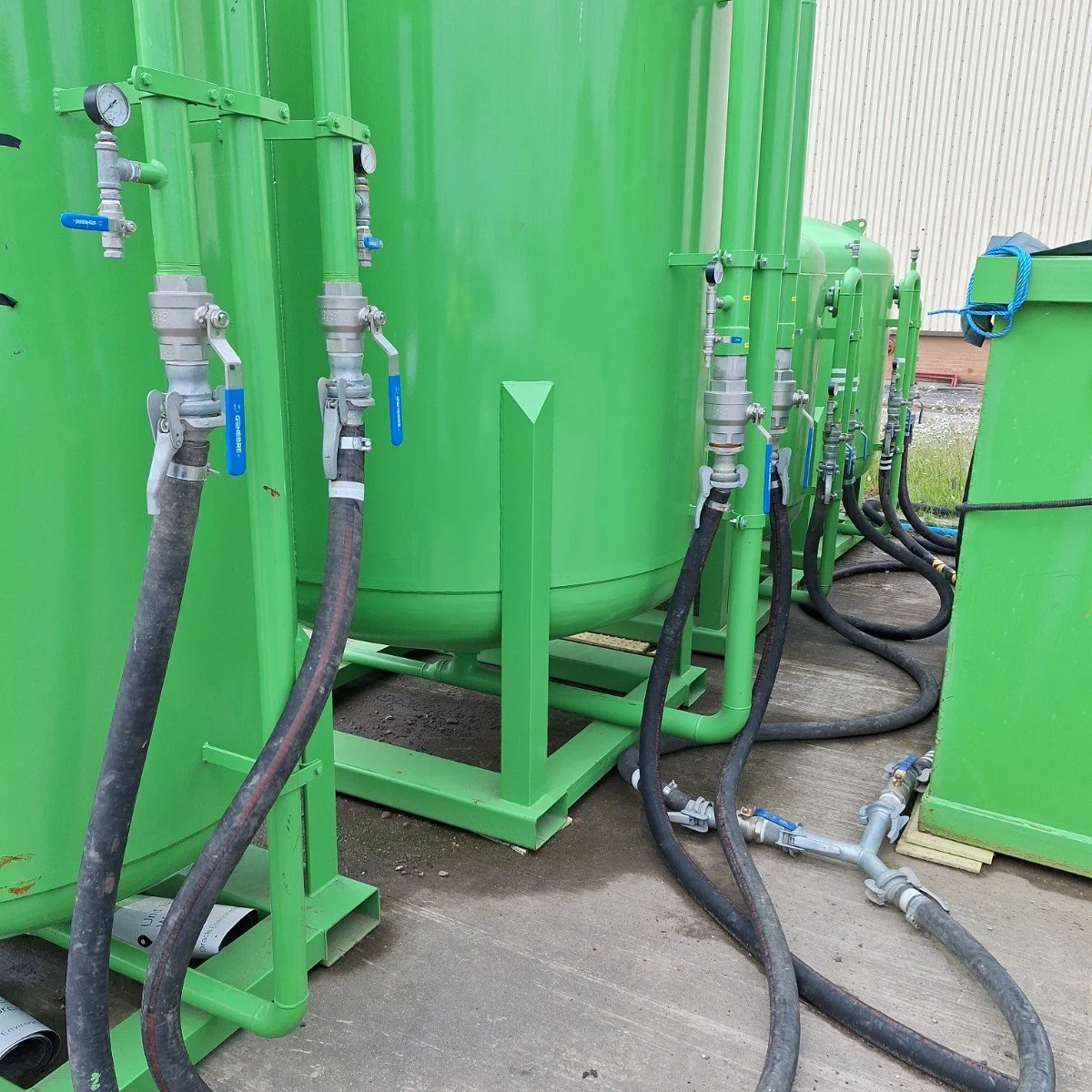
We have our own fleet of filtration vessels and have a trusted carbon supplier to support our exacting requirements by providing a thorough assessment of purification needs with laboratory analysis and/or pilot trials. The benefits of activated carbon filtration include being able to work as a stand‑alone technology, which makes this sorption media relatively cost‑efficient. This is particularly true when utilising our ‘plug‑and‑play’ filtration vessels. Other benefits from our filtration vessels are higher safety (i.e. pollutants are not handled on site), greater flexibility, and suitable performance analysis when set up in series of two or more vessels to ensure sufficient residence time, pending analytical results. Multiple filtration vessels also allow for multiple grades of GAC to be deployed; this can be critical to ensure the sorption potential of the process is maximised.
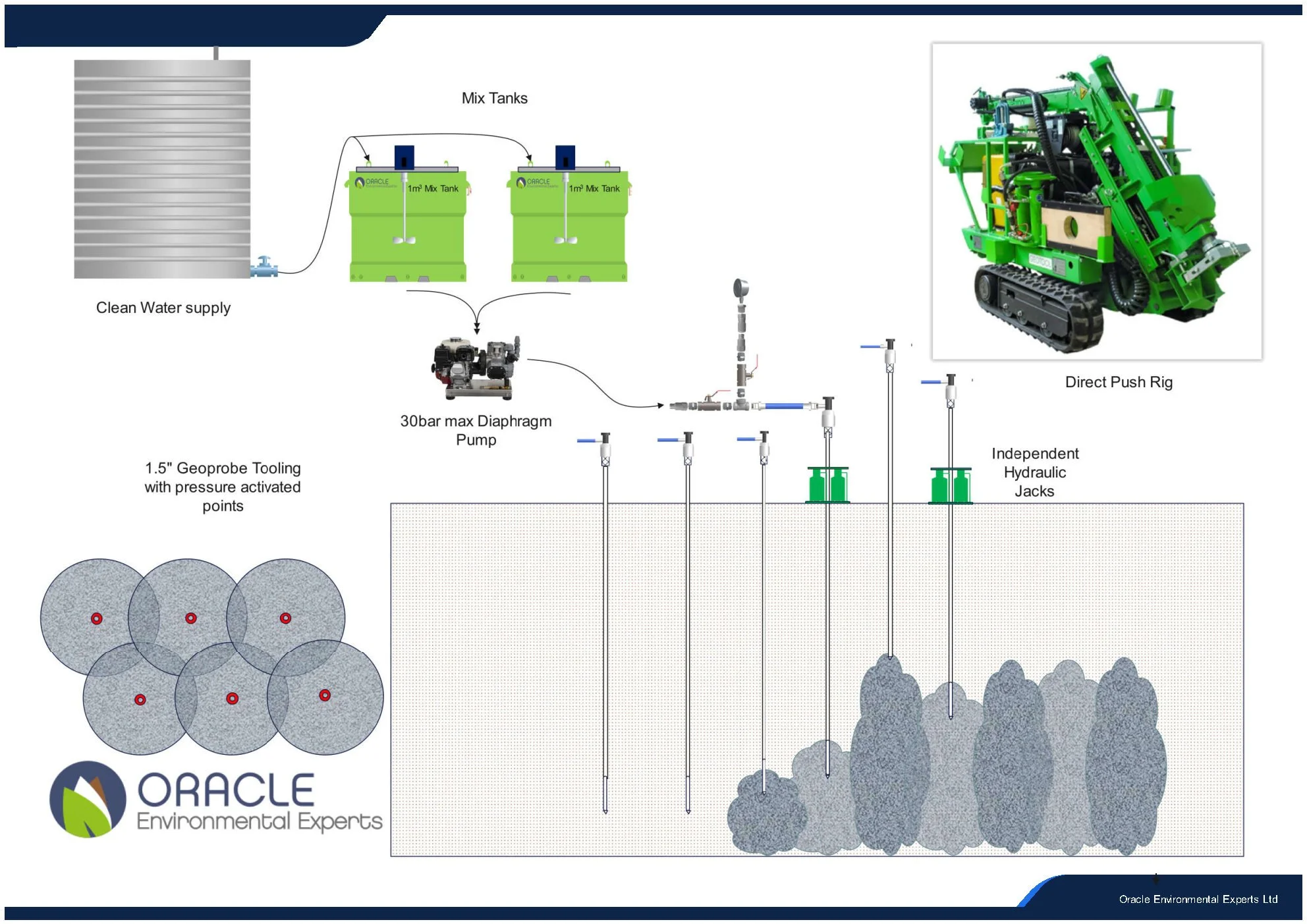
An example of the “grid” or “barrier” style approach using our in-house DPI rig
Our approach to the investigation and remediation of PFAS contamination is consistent with the requirements of the Environment Agency’s Land Contamination Risk Management (LCRM) guidance.
Our Turnkey Solution for PFAS remediation
Stage 1 - risk assessment comprises the development of a preliminary conceptual site model (CSM) to identify sources, including the potential distribution and nature of PFAS, pathways and receptors. The CSM informs the scope of the intrusive site investigation, which, for PFAS, should consider the potential for cross-contamination from equipment used and between sampling locations. Consideration should be given to the potential for the presence of precursor compounds and the preferential distribution of PFAS in the subsurface. The data obtained from the site investigation is used to quantify the risk to the receptors through generic and, if required, detailed quantitative risk assessment.
Stage 2 - options appraisal identifies and evaluates feasible remediation options based on the site conditions, distribution and nature of the PFAS identified and the remedial target concentrations obtained from the risk assessment process. Remedial options can include containment, excavation and disposal, permeable reactive barriers (PRBs), use of binders or sorbents, thermal treatment, filtration, ion exchange and foam fractionation. A combination of techniques may be required to address PFAS contamination at some sites, and treatment feasibility trials are an important stage in the development of remedial options (see our treatment feasibility brochure). The sustainability of selected approaches should also be considered at the appraisal stage.
Our PFAS remediation solutions include:
In-situ stabilisation (ISS) at source
PRB installation – colloidal activated carbon (CAC) and adsorption media
·Ex-situ Pump & Treat, including different forms of granular activated carbon as well as ion exchange (IX) resins, which are both highly effective solutions for removing PFAS from water
Stage 3 – remediation and verification uses the remedial options output to develop a detailed remediation strategy which is implemented alongside the verification plan which outlines the data requirements to demonstrate successful remediation of the site. Remediation cannot commence until the appropriate regulatory approvals are in place including any permitting required. OEE have extensive experience of effective liaison with regulators and the necessary licences to complete remediation of soil and groundwater.
OEE’s turnkey solution to the investigation, assessment and remediation of PFAS contaminated sites, results in a streamlined, consistent and cost effective approach, with a commitment to tailored innovative and sustainable solutions.
Key Contacts
-

Luke Boulton
Associate Director
-

Ed Canney
Commercial Remediation Manager
-

Dr. Diane Watson
Director
DIY Solution.
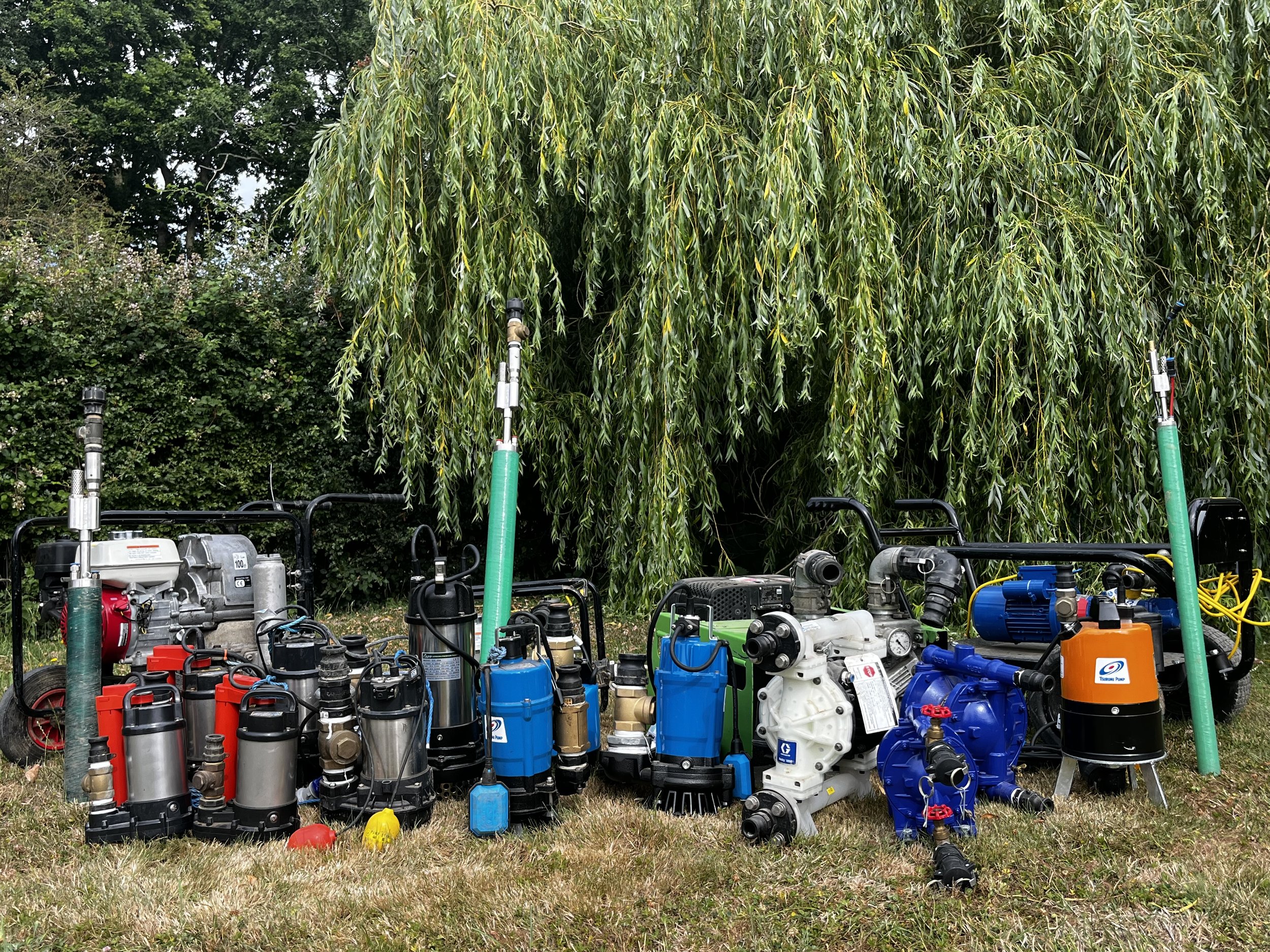
Equipment Hire
Do you have a small spill or project to tackle? We also offer specialist hot-spot remediation equipment hire, complete with full training.