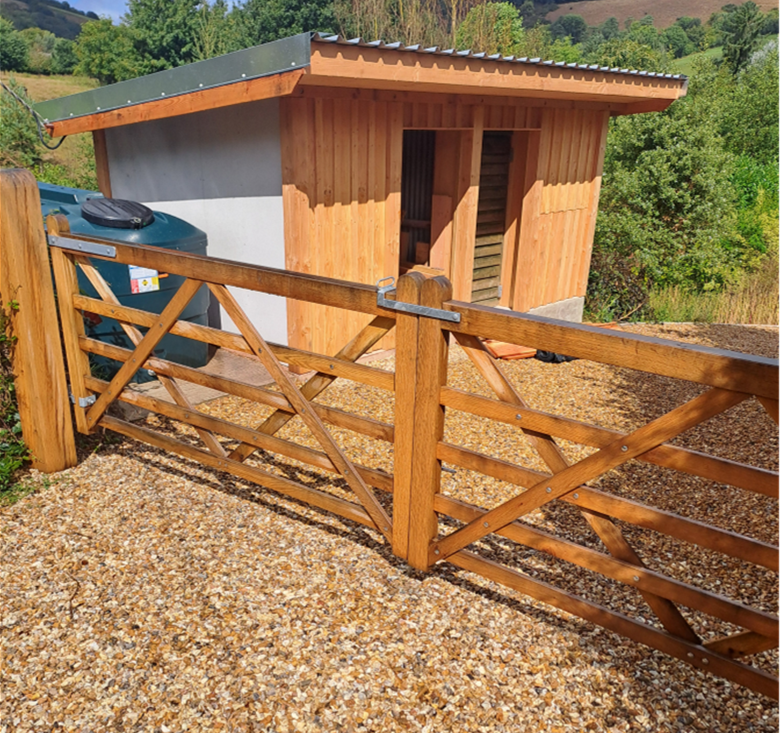
Oil Spill Incidents are on the Rise due to Storm Damage.
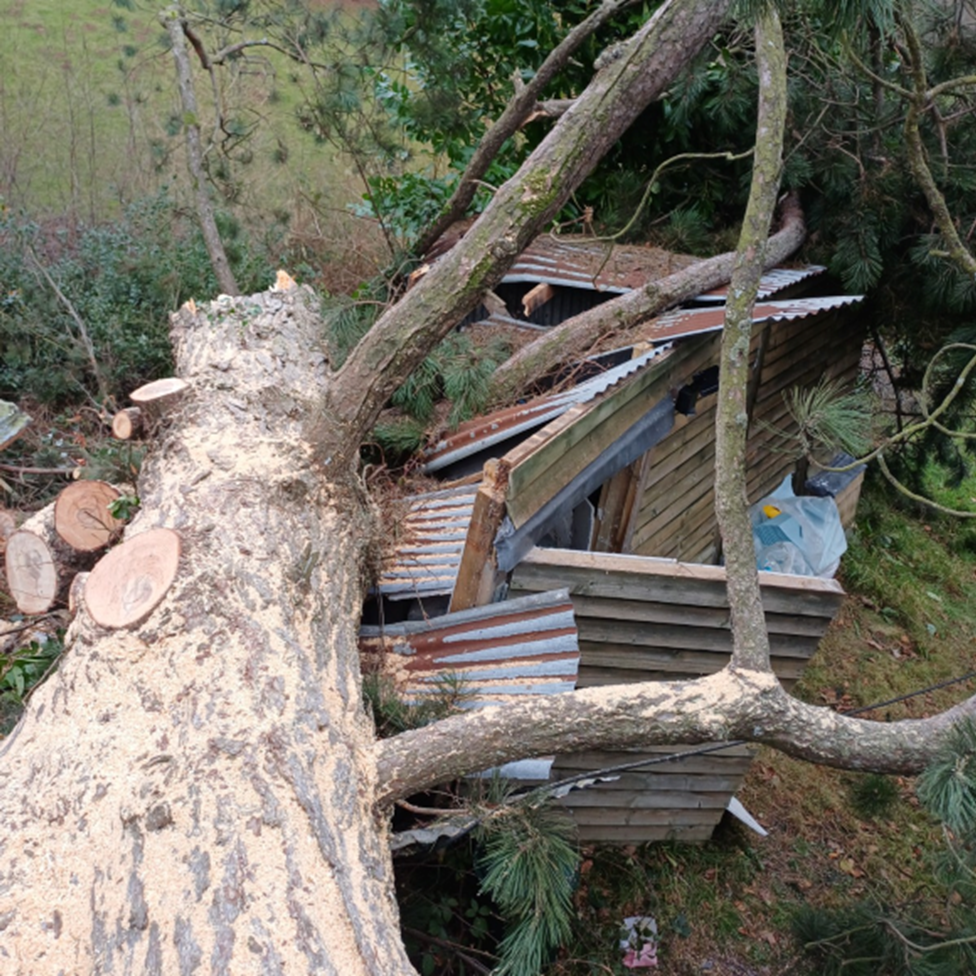
Storm Darragh Tree Fall Incident – Escape of 1,500 litres of Heating Oil
In recent years, the UK has seen an increased number and intensity of storms with associated high winds and flooding, which can result in damage to property including oil storage tanks via tree fall and flotation. This week, Storm Bram has battered the UK and there will likely be multiple oil spill incidents as a result. The following is an example of our response and remediation following a similar storm last year.
Oracle were instructed late in the afternoon during Storm Darragh to respond to an escape of an estimated 1500 litres of heating oil (kerosene) at a domestic property after a large pine tree was blown over in strong winds, causing catastrophic damage to a heating oil storage tank.
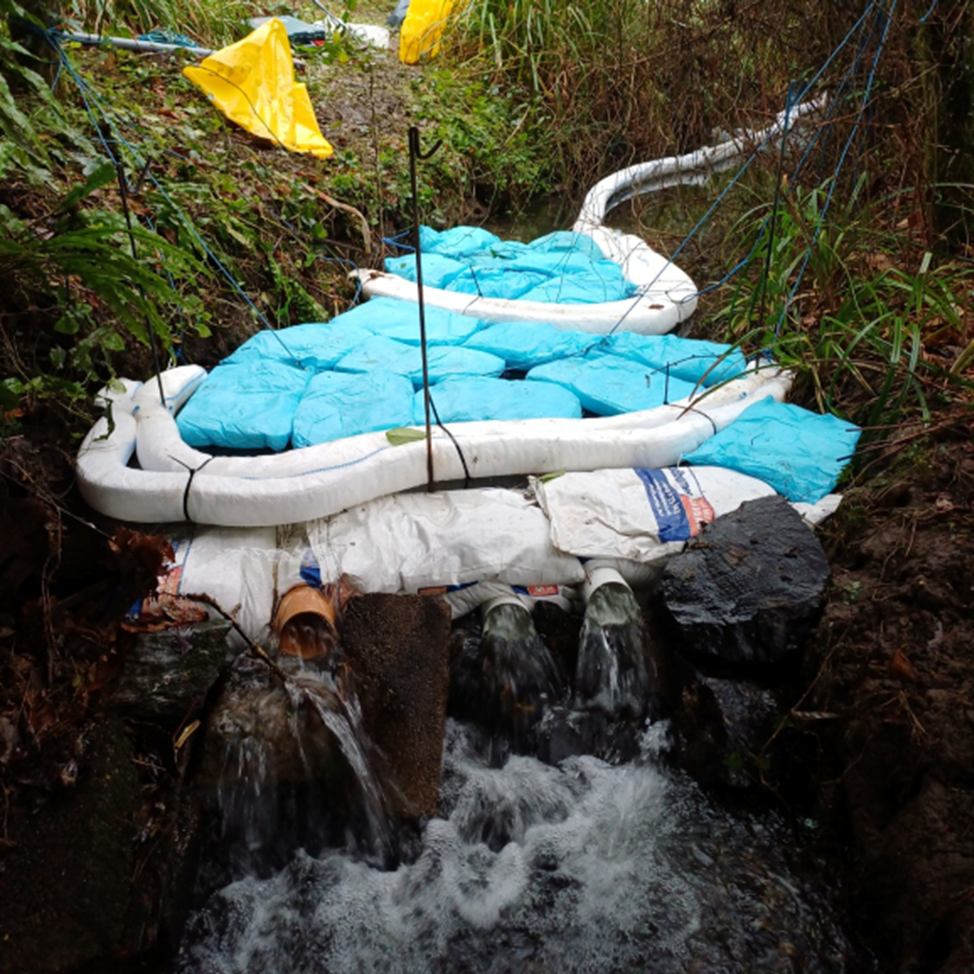
Oracle worked under challenging conditions and in darkness to prevent the downstream migration of heating oil toward a nearby river. Immediate containment measures included the installation of underflow dams within the stream on site, while a temporary oil tank and feedline were set up to restore heating to the property. A pond located between the spill origin and the stream, which was impacted by the kerosene, was treated using oil absorbents and through skimming or kerosene product and pumping of the kerosene-contaminated water.
The fallen tree had also brought down a power line in the work area, requiring consultation with National Grid to make the site safe and enable swift progress with remedial works. A comprehensive site investigation was then carried out to determine the extent of kerosene impact and the associated risks to the identified receptors. Based on this assessment, a remediation strategy was developed and was agreed with the client and the homeowner.

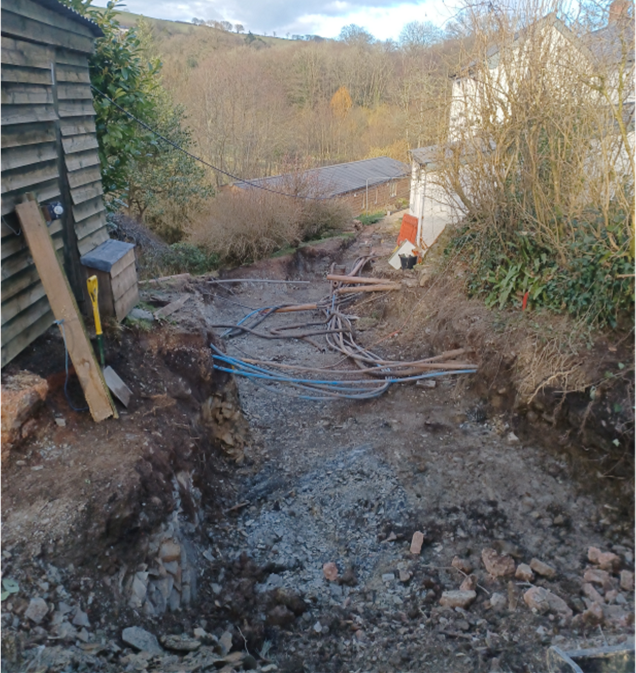

A tree surgeon was initially appointed to cut and remove the fallen tree, which had also blocked the road outside the property. The subsequent remediation works included the excavation and removal of 174 tonnes of heavily contaminated soil, which were transported to a soil treatment facility, in line with Oracle’s commitment to prioritising soil treatment over landfill wherever practical and appropriate. Logistical challenges arose during the works due to numerous buried services on the site and limited space for waste storage. To address this, a bunded area was established in an adjacent field for temporary storage, with removal of soils facilitated by grab wagons.
The excavation extents were sampled and screened by Oracle’s consultancy team to confirm that residual kerosene concentrations were within acceptable limits. Before reinstatement, a new hydrocarbon barrier pipe was installed to safeguard the water supply to the property, along with a new fuel transfer line.
Oil absorbent materials were removed and replaced as necessary from the originally impacted stream, which was also monitored and sampled throughout the works.
The excavation in the driveway was backfilled using clean granular fill material, compacted in layers to prevent settlement, with all pipes and services bedded in sand or pea gravel. The driveway was finished with hex grids and decorative gravel to the homeowner’s satisfaction. A new concrete base, oil tank, and replacement shed were installed in compliance with building regulations and OFTEC guidance as appropriate.
The full scope of works was completed within a satisfactory timescale of a few months, earning excellent feedback from both the client and the homeowner, with regular updates provided to all parties throughout the project.